|
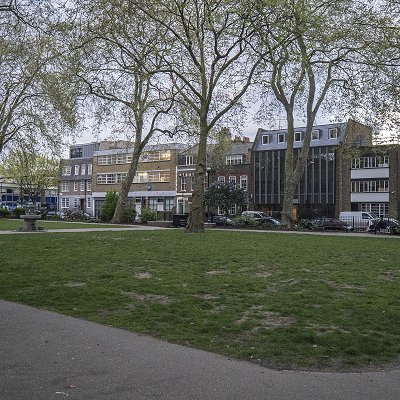
Hoxton is an area in the London Borough of Hackney, England. It was historically in the county of Middlesex until 1889. Hoxton lies north-east of the City of London, is considered to be a part of London's East End and was once part of the civil parish and subsequent Metropolitan Borough of Shoreditch, prior to its incorporation into Hackney.
The area is generally considered to be bordered by Regent's Canal on the north side, Wharf Road and City Road to the west, Old Street to the south, and Kingsland Road to the east.
The earliest recorded names of the settlement are Hochestone, in the Domesday Book in 1086, and Hocston, which is mentioned in a fine of 1220-1221. The name is likely to derive from the possessive form of a person's name, possibly Hocg, and the Old English word tun, meaning a fortified enclosure, village, or manor. Little is recorded of the origins of the settlement, though there was Roman activity around Ermine Street, which ran to the east of the area from the first century. In medieval times, Hoxton formed a rural part of Shoreditch parish and was mostly divided into small landholdings. It achieved independent ecclesiastical status in 1826 with the founding of its own parish church dedicated to St John the Baptist, though civil jurisdiction was still invested in the Shoreditch vestry. The Worshipful Company of Haberdashers remains Patron of the advowson of the parish of St John's.
In 1415, the Lord Mayor of London "caused the wall of the City to be broken towards Moorfields, and built the postern called Moorgate, for the ease of the citizens to walk that way upon causeways towards Islington and Hoxton" - at that time, still marshy areas. The residents responded by harassing walkers to protect their fields. A century later, the hedges and ditches were destroyed, by order of the city, to enable city dwellers to partake in leisure at Hoxton.
|